
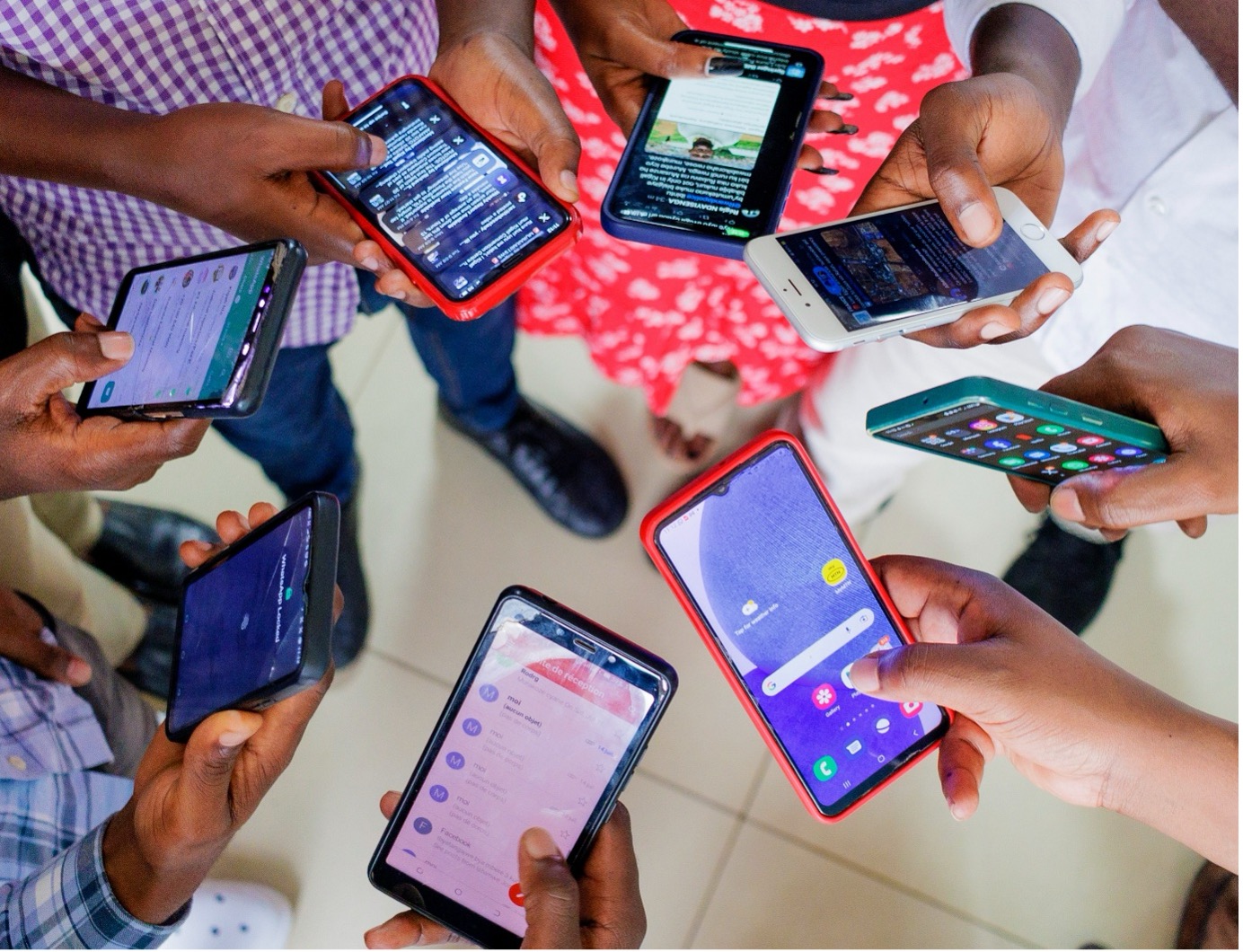
Africa is one of the fastest-growing digital markets in the world, offering global brands access to a rapidly expanding and highly engaged audience. As internet penetration increases and mobile usage continues to rise, the continent presents a powerful opportunity for organizations looking to reach new markets.
However, advertising in Africa requires more than simply applying strategies that work in other regions. The continent is made up of 54 distinct countries, each with its own culture, language, media landscape, and consumer behavior. Treating Africa as a single, uniform market is one of the most common mistakes brands make when entering the space.
Each country operates differently. Nigeria, for example, has a highly social and mobile-driven audience, while South Africa has a more developed digital and programmatic advertising ecosystem. Kenya is widely recognized for its leadership in mobile technology and digital payments. These differences influence how audiences consume content and interact with advertising, making localized strategies essential for success.
Another defining characteristic of Africa’s digital environment is its mobile-first nature. For many users, smartphones are the primary — and often only — way to access the internet. This means that advertising campaigns must be designed with mobile consumption in mind, focusing on fast-loading formats, clear messaging, and content that performs well on smaller screens.
While global platforms provide scale, they do not always offer the local context needed to create meaningful engagement. African news publishers and community media platforms play a critical role in bridging this gap. These platforms have built trust with their audiences and offer brands an opportunity to communicate within environments that feel credible and familiar.
For many global brands, navigating Africa’s diverse media landscape can be challenging. Identifying reliable publishers, managing campaigns across multiple countries, and understanding local market dynamics all require time and expertise. Without the right approach, campaigns risk being inefficient or disconnected from the audiences they are intended to reach.
This is why local partnerships are essential. Working with networks that understand the media ecosystem and have established relationships with trusted publishers can simplify the process significantly. These partnerships allow brands to scale their campaigns while maintaining the local relevance needed to drive real results.
A more effective approach to advertising in Africa involves combining global strategy with local insight. This means adapting campaigns to fit specific markets, prioritizing mobile-first design, and leveraging trusted media channels to build stronger audience connections.
Africa’s digital landscape is evolving quickly, and with that growth comes increasing opportunity. Brands that take the time to understand the market, respect its diversity, and invest in the right partnerships will be better positioned to succeed.
Rather than viewing Africa as a complex challenge, it should be seen as a dynamic and rewarding market — one that offers significant potential for those willing to approach it with the right strategy.
